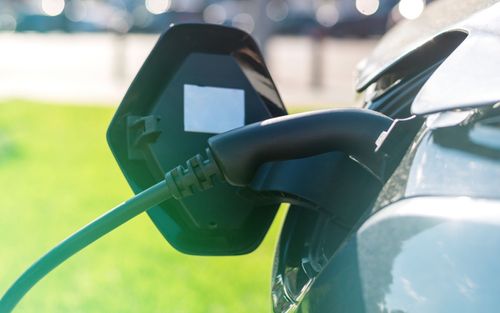
In the automotive industry and elsewhere, the question of electric vehicles’ future is a hot one. These hygienic, silent cars have the potential to completely alter how we travel, but they are not without difficulties. This essay will examine the pros and drawbacks of electric vehicles and speculate on the potential applications of this innovative technology.
The Clear Advantages of Electric Powered Vehicles
Let’s start with the advantages of electric vehicles. The environmental impact of electric cars (EVs) is one of their main benefits. A large amount of glasshouse gases are released by conventional gasoline-powered vehicles, which aids in the process of climate change. EVs, on the other hand, have zero emissions, making them a much more environmentally friendly mode of transportation.
In addition to helping the environment, electric vehicles can help drivers save a lot of money over time. EVs are far less expensive to operate than gas-powered vehicles, despite having greater initial expenditures. Since electricity is substantially less expensive than gas, charging an electric automobile is significantly less expensive than filling up the tank. If you drive a lot, this can mount up.1
The performance of electric vehicles is another perk. Many people believe that electric vehicles (EVs) are slow and weak, however this is untrue. In reality, many electric vehicles are as quick as or even quicker than their gasoline-powered competitors. Additionally, because electric motors can generate their full torque from a complete stop, EVs have fantastic acceleration and are a delight to drive.

The Main Drawbacks of Electric Engines
Of course, no technology is faultless, and electric cars are not without their flaws. Their restricted range is one of the key disadvantages. For lengthy road journeys, the fact that the majority of EVs can only travel 200–300 miles on a single charge can be troublesome. However, this range is probably going to rise as battery technology advances, making electric cars more useful over greater distances.2
The absence of enough infrastructure for charging electric vehicles is another problem. Even if there are more charging stations available, it can be challenging to locate one when you’re travelling. This is particularly true in rural areas or places where EV adoption is low. However, it’s probable that the infrastructure for charging electric cars will get better as more people switch to them.
What will electric vehicle technology look like in the future? Although it’s difficult to predict with certainty, it’s likely that in the upcoming years, the number of electric vehicles on the road will increase. EVs will have greater ranges and become more useful for a larger spectrum of individuals as battery technology advances. Additionally, we can observe the emergence of new charging technologies like wireless charging.
Environmental Savour Or Just A False Dream?
Electric vehicles also come with a variety of other advantages in addition to their economic and environmental advantages. For instance, they often operate more quietly than gas-powered vehicles, which can enhance the driving experience. Due to the fact that electric motors generate their maximum torque when the vehicle is at rest, they also have excellent acceleration. Electric vehicles can also be driven in low-emission zones and other places where gasoline-powered vehicles are prohibited because they don’t emit any exhaust gases.
Electric vehicles come with a lot of advantages, but they also have some restrictions. Their restricted range is one of the key disadvantages. For lengthy road journeys, the fact that the majority of EVs can only travel 200–300 miles on a single charge can be troublesome. However, this range is probably going to rise as battery technology advances, making electric cars more useful over greater distances.
The absence of enough infrastructure for charging electric vehicles is another problem. Even if there are more charging stations available, it can be challenging to locate one when you’re travelling. This is particularly true in rural areas or places where EV adoption is low. However, it’s probable that the infrastructure for charging electric cars will get better as more people switch to them.
However, it is probable that their appeal will grow as technology advances and economies of scale drive down the price of electric vehicles. Several automakers have declared intentions to phase out the production of vehicles using internal combustion engines in recent years, and many nations have set lofty objectives for the adoption of electric vehicles. Furthermore, some of the obstacles to widespread adoption may be overcome by the escalating government laws and incentives for purchasers of electric vehicles.
Growing Consumer Interest Trends
Consumer interest in electric automobiles as a more sustainable and environmentally friendly method of transportation has been on the rise in recent years. A number of factors have contributed to this trend, such as rising public awareness of the negative environmental effects of conventional fossil fuel-powered vehicles, government policies and incentives aimed at promoting electric vehicles, and improvements in battery technology that have resulted in longer driving ranges and faster charging times. The International Energy Agency found that between 2010 and 2020, global sales of electric vehicles increased at a pace of about 40% annually. Consumer polls, such as one by Accenture, reveal that, compared to fewer than 20% in 2019, around half of new car purchasers are now thinking about buying an electric vehicle for their next purchase, and 70% perceive electric cars as either their first or second choice.3
The manufacture of vehicles powered by internal combustion engines will gradually be phased out in favour of electric vehicles in the upcoming years, according to several major automakers, which is also boosting consumer demand. Additionally, the development of infrastructure and the accessibility of charging stations may be extremely important in the movement of consumerism towards electric vehicles. The United States currently has more than 31,000 public charging stations, and more are being constructed all the time, according to the U.S. Department of Energy. This can make it more easy for consumers to purchase an electric vehicle.4
One Things For Sure Is They Will Continue To Develop
Overall, electric vehicles have a promising future. With more people switching to EVs, glasshouse gas emissions will drop significantly, and these green, efficient cars have the potential to transform how we travel around. Electric vehicles are without a doubt the future, despite several obstacles that still need to be solved.
Reference:
Leave a Reply